In today’s fast-paced digital world, smart automation is no longer a luxury—it has become a necessity for both homes and offices. With advancements in technology, automation systems are transforming how we live and work by enhancing convenience, efficiency, security, and overall productivity.
What is Smart Automation?
Smart automation refers to the integration of advanced technologies that allow users to control and automate various systems such as lighting, climate, security, and appliances. These systems can be managed remotely through smartphones, voice assistants, or centralized control panels, creating a connected and intelligent environment.
1. Enhanced Convenience and Control
One of the primary reasons smart automation is essential is the level of convenience it offers. Users can control multiple devices from a single interface, whether they are at home, in the office, or on the go. Simple tasks like adjusting lighting, setting room temperature, or managing devices can be done instantly with just a tap or voice command.
2. Improved Energy Efficiency
Smart automation helps reduce energy consumption by optimizing how systems operate. For example, lights and air conditioning can automatically turn off when a room is unoccupied. Smart thermostats adjust temperature based on usage patterns, ensuring that energy is not wasted. This not only lowers utility bills but also supports environmental sustainability.
3. Increased Security and Safety
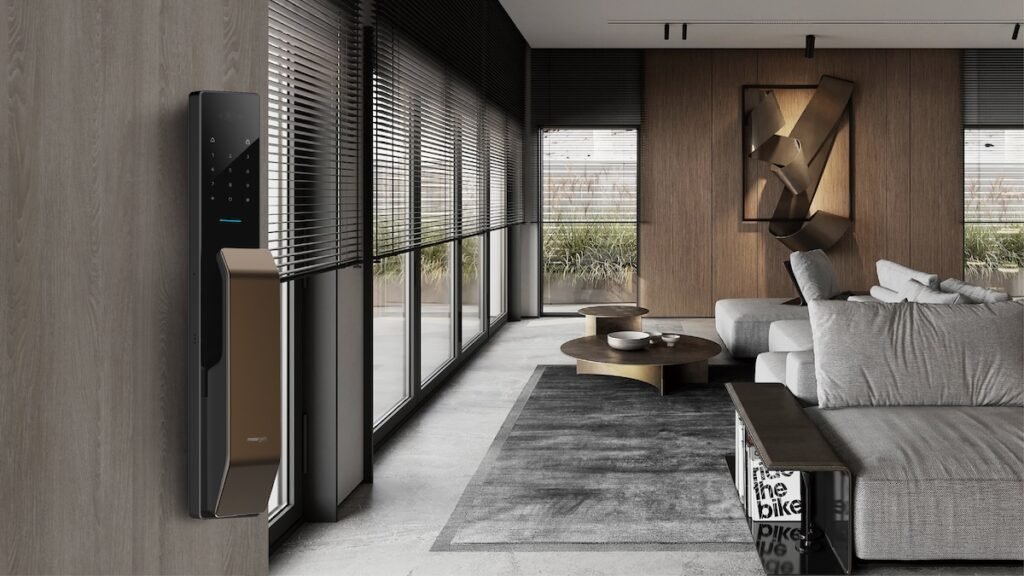
Security is a major concern for both homeowners and businesses. Smart automation systems integrate features like surveillance cameras, motion sensors, smart locks, and alarm systems. These tools provide real-time alerts and remote monitoring, allowing users to keep their property secure at all times. Automated lighting and access control also help deter unauthorized entry.
4. Boosted Productivity in Workspaces
In office environments, smart automation plays a key role in improving productivity. Automated lighting and climate control create a comfortable working atmosphere, reducing distractions and enhancing employee focus. Meeting rooms can be equipped with automated systems for lighting, presentations, and temperature control, ensuring smooth and efficient operations.
5. Customization and Flexibility
Smart automation systems are highly customizable. Users can create personalized settings or “scenes” based on their preferences. For example, a “Work Mode” can adjust lighting and temperature for maximum productivity, while a “Relax Mode” can create a calm and comfortable environment at home. This flexibility enhances the overall user experience.
6. Integration with Modern Technologies
Modern automation systems can easily integrate with other smart technologies such as IoT devices, energy management systems, and building management systems. This interconnected ecosystem ensures seamless operation and better control over all aspects of a home or office.
7. Future-Ready Living and Working
As technology continues to evolve, smart automation is becoming the foundation of modern infrastructure. Investing in automation today ensures that homes and offices are future-ready and capable of adapting to new innovations and technologies.
Conclusion
Smart automation is essential for creating efficient, secure, and comfortable living and working environments. From reducing energy consumption to enhancing convenience and productivity, the benefits are undeniable. As more people embrace smart technology, automation will continue to play a vital role in shaping the future of homes and offices.
