
In today’s security-conscious world, protecting people, assets, and sensitive information is more important than ever. Access Control Systems have become a fundamental component of modern security infrastructure, helping organizations and homeowners manage and monitor entry to their premises efficiently and securely.
What is an Access Control System?
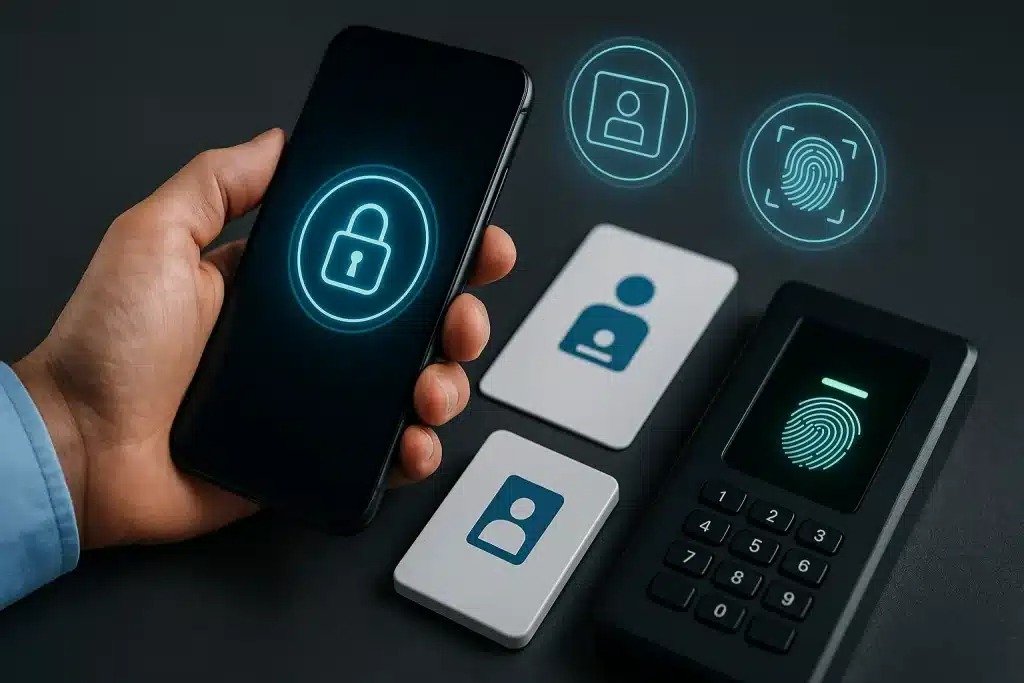
An Access Control System is a security solution that regulates who can enter or exit a building, room, or specific area. Instead of traditional keys, these systems use advanced technologies such as key cards, biometric authentication (fingerprint or facial recognition), PIN codes, or mobile-based access. This ensures that only authorized individuals can gain entry, enhancing overall security.
Key Features of Access Control Systems
Modern access control systems come equipped with a variety of advanced features:
- Authentication Methods: Multiple access options including RFID cards, biometrics, PINs, and mobile credentials.
- Real-Time Monitoring: Track and monitor entry and exit activities in real time.
- Access Logs & Reporting: Maintain detailed records of who accessed which area and when.
- Remote Management: Control and update access permissions from anywhere using cloud-based systems.
- Integration Capabilities: Seamlessly integrate with CCTV, alarm systems, and building management systems.
- Scalability: Easily expandable to accommodate growing infrastructure.
Benefits of Access Control Systems
Implementing an access control system offers numerous advantages:
- Enhanced Security: Prevent unauthorized access and protect sensitive areas.
- Improved Convenience: Eliminate the need for physical keys and reduce the risk of lost or duplicated keys.
- Better Control: Assign and manage access levels based on roles and responsibilities.
- Audit and Accountability: Detailed logs help in tracking activities and investigating incidents.
- Cost Efficiency: Reduce the need for security personnel and avoid costs associated with rekeying locks.
- Increased Safety: Ensure only authorized personnel can access hazardous or restricted zones.
Applications of Access Control Systems
Access control systems are widely used across various sectors due to their versatility:
- Corporate Offices: Manage employee access and secure sensitive data areas.
- Residential Buildings: Control entry for residents, visitors, and service personnel.
- Industrial Facilities: Restrict access to critical operations and high-risk zones.
- Healthcare Institutions: Protect patient data and secure restricted areas such as labs and pharmacies.
- Educational Institutions: Ensure the safety of students, staff, and campus facilities.
- Hospitality Sector: Manage guest access through smart cards and mobile-based systems.
The Future of Access Control
With advancements in technology, access control systems are evolving rapidly. Cloud-based platforms, AI-driven analytics, and mobile integration are making systems smarter and more efficient. Contactless access and biometric innovations are also gaining popularity, especially in a post-pandemic world where hygiene and security are both priorities.
Conclusion
Access Control Systems are essential for maintaining security, improving operational efficiency, and ensuring peace of mind. With their advanced features, wide range of applications, and growing importance in modern infrastructure, they are a valuable investment for any organization or property. As technology continues to evolve, access control systems will play an even greater role in shaping secure and intelligent environments.
