
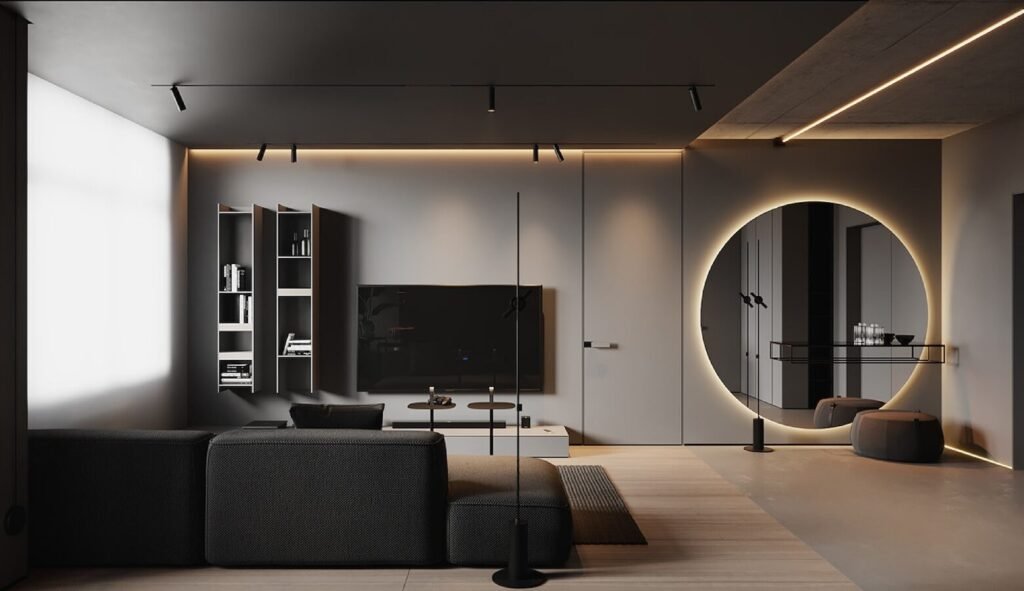
Smart lighting control systems are rapidly becoming an essential part of modern homes and offices. By combining advanced technology with user-friendly controls, these systems offer improved convenience, energy efficiency, and enhanced security. Whether for residential or commercial use, smart lighting solutions provide a smarter and more sustainable way to manage lighting.
What is a Smart Lighting Control System?
A smart lighting control system allows users to manage lighting through automated controls, mobile apps, or voice commands. These systems can adjust brightness, switch lights on or off, and even change lighting scenes based on time, occupancy, or personal preferences. Integration with sensors and smart devices makes lighting more responsive and efficient.
1. Energy Efficiency and Cost Savings
One of the biggest advantages of smart lighting systems is energy efficiency. Lights can automatically turn off when rooms are unoccupied or adjust brightness based on natural daylight. This reduces unnecessary energy consumption and lowers electricity bills. For offices, where lighting is used extensively, the cost savings can be significant over time.
2. Convenience and Ease of Use
Smart lighting systems offer unmatched convenience. Users can control lights remotely through smartphones or voice assistants like Alexa or Google Assistant. Scheduling features allow lights to turn on or off at specific times, making daily routines easier and more efficient.
3. Enhanced Comfort and Ambiance
With customizable lighting scenes, users can create the perfect atmosphere for different activities. Whether it’s a warm, relaxing environment at home or a bright, focused setting in the office, smart lighting adapts to your needs. Dimming features and color temperature adjustments further enhance comfort.
4. Improved Security
Smart lighting plays a crucial role in enhancing security. Automated lighting schedules can give the impression that someone is home, even when the property is vacant. Motion sensors can trigger lights in response to movement, helping deter unauthorized access and improve safety.
5. Increased Productivity in Offices
In office environments, proper lighting directly impacts employee productivity and well-being. Smart lighting systems can adjust brightness and color temperature to reduce eye strain and improve focus. Natural light simulation can also boost mood and efficiency among employees.
6. Integration with Smart Systems
Smart lighting systems can be integrated with other automation systems such as HVAC, security, and building management systems. This creates a fully connected environment where all systems work together for optimal performance and efficiency.
7. Environmental Sustainability
By reducing energy consumption, smart lighting contributes to a greener environment. Lower energy usage means reduced carbon emissions, making these systems an eco-friendly choice for both homes and businesses.
Conclusion
Smart lighting control systems offer a wide range of benefits, from energy savings and convenience to enhanced security and productivity. As technology continues to evolve, these systems are becoming more accessible and essential for modern living and working spaces. Investing in smart lighting is not just about convenience—it’s a step toward a more efficient, secure, and sustainable future.
